How Removalists Protect Walls, Floors & Entryways During A Move
Moving house involves far more than simply loading boxes into a truck. Every stage of the process carries the risk of accidental damage, especially when large furniture, heavy appliances and awkward items need to pass through narrow hallways, staircases and doorways. Scratched floors, dented walls and damaged entryways are some of the most common concerns people have when preparing for a move.
Professional removalists understand that protecting the property is just as important as transporting belongings safely. An experienced removalist in Ballina uses specialised equipment, careful planning and trained handling techniques to reduce the risk of damage throughout the moving process. From protecting flooring surfaces to navigating tight corners, these preventative measures help ensure homes remain in good condition during what is often a physically demanding and stressful time.
Planning the Move Before Lifting Begins
One of the most effective ways removalists prevent property damage is through preparation before any furniture is moved. Careful planning allows movers to identify potential problem areas and decide how large items will safely travel through the property.
Before moving begins, removalists assess:
- Doorways, hallways and staircase access points.
- Fragile flooring surfaces or tight corners.
- The safest routes for large or heavy furniture.
This preparation reduces unnecessary manoeuvring and helps minimise the risk of collisions with walls, doors or fixtures. Route planning also helps improve efficiency during loading and unloading.
Using Protective Blankets & Furniture Padding
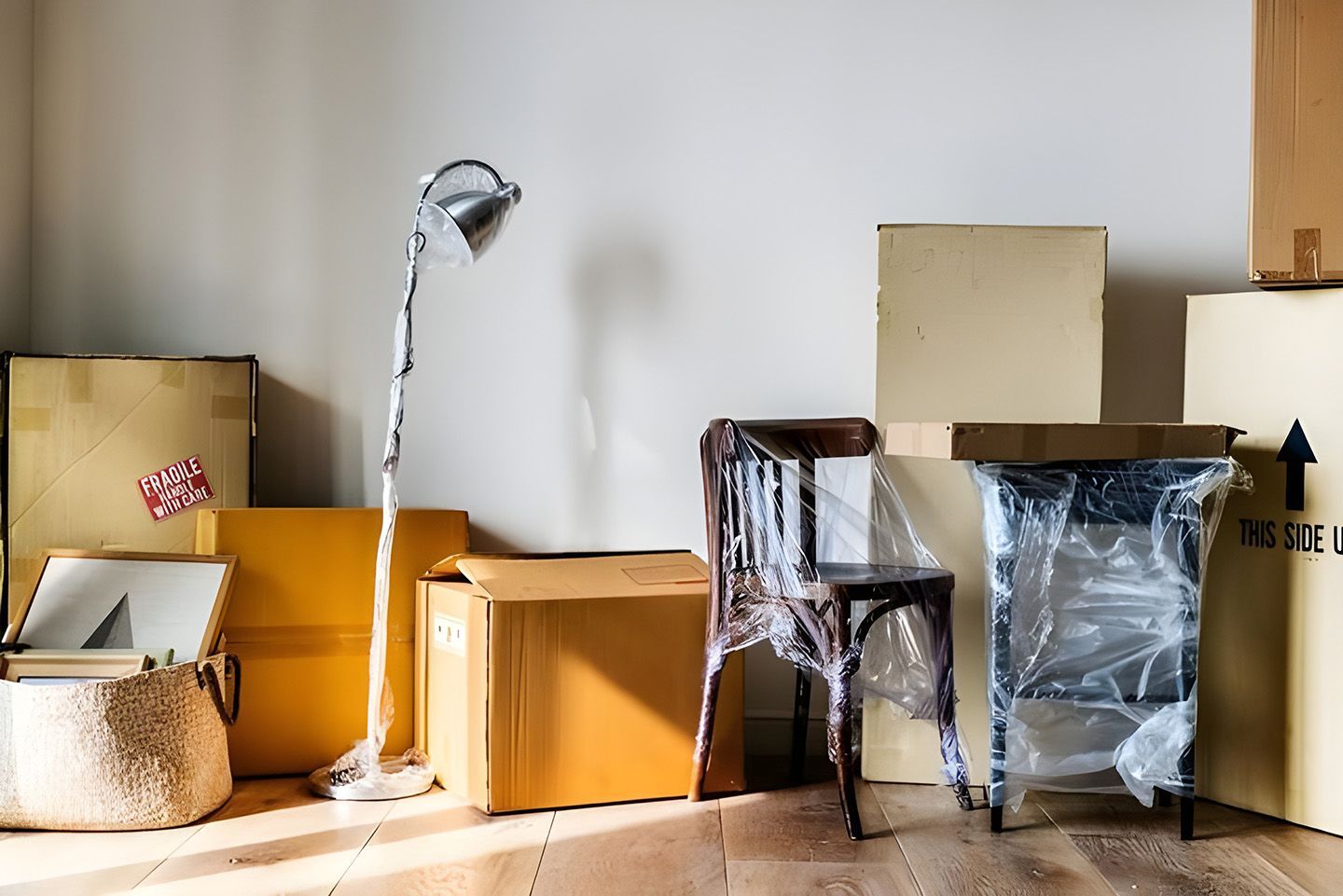
Furniture protection is a standard part of professional moving services, but protective blankets also help safeguard the home itself during transport. Padded coverings reduce the likelihood of hard surfaces scraping against walls, railings or door frames.
To reduce surface damage during handling, removalists use:
- Heavy-duty moving blankets around furniture.
- Protective wrapping for sharp corners and edges.
- Padding between stacked items during transport.
These materials act as a buffer while furniture is carried through confined spaces. Proper padding is particularly important for larger items such as dining tables, wardrobes and refrigerators that can easily cause dents or scratches if moved carelessly.
Protecting Floors During Heavy Lifting
Flooring is especially vulnerable during moves because heavy items, trolleys and repeated foot traffic place additional pressure on surfaces throughout the day. Timber, tiles and polished concrete can all become scratched or marked if proper precautions are not taken.
To help protect flooring, professional movers use:
- Protective boards across high-traffic areas.
- Floor runners or coverings near entry points.
- Proper lifting methods to avoid dragging furniture.
An experienced removalist in Ballina understands that even small marks on flooring can become costly repairs later. Preventative floor protection helps reduce the chance of visible damage during the moving process.
Safeguarding Walls, Corners & Door Frames
Walls and entryways are common impact points during moves, particularly when carrying oversized furniture through narrow areas. Even experienced movers need to navigate difficult angles carefully to avoid accidental damage.
To minimise contact with structural surfaces, removalists rely on:
- Corner guards for vulnerable wall edges.
- Controlled lifting and positioning techniques.
- Team coordination when manoeuvring bulky items.
Good communication between movers becomes especially important when navigating stairs, tight hallways or apartment buildings. Coordinated handling helps reduce sudden movements that may lead to accidental impacts.
Using Proper Lifting Techniques
Incorrect lifting methods increase the risk of injury as well as property damage. Professional removalists receive training in safe handling techniques designed to improve control while moving heavy or awkward items.
Safe lifting practices include:
- Carrying weight evenly between team members.
- Maintaining stable positioning when turning corners.
- Using lifting equipment where necessary.
Rather than relying on force alone, trained movers focus on controlled handling and balanced movement. This helps protect both the property and the items being transported.
Specialised Equipment for Large or Difficult Items
Certain household items require more than standard lifting techniques. Large appliances, oversized lounges and heavy furniture pieces often need specialised equipment to move safely through the home.
Depending on the item, removalists may use:
- Furniture dollies and appliance trolleys.
- Straps for controlled lifting and positioning.
- Sliding equipment for heavier furniture pieces.
Using the right equipment reduces unnecessary strain while improving manoeuvrability inside the property. It also lowers the risk of accidental floor or wall damage caused by uncontrolled movement.
Managing Entryways During Wet or Busy Conditions
Entryways experience constant movement throughout a relocation, which can increase the risk of dirt, moisture and accidental damage during the process. Wet weather can make conditions even more challenging, particularly when moving between indoor and outdoor areas repeatedly.
To help maintain cleaner and safer entry areas, movers focus on:
- Keeping pathways clear and organised.
- Using floor coverings near entrances.
- Reducing unnecessary foot traffic inside the home.
Attention to these smaller details helps create a smoother moving experience while protecting the condition of the property during loading and unloading.
Preventing Damage Through Team Coordination
Professional moving crews work together closely to manage heavy lifting safely and efficiently. Clear communication helps movers anticipate obstacles, adjust positioning and maintain better control over furniture throughout the move.
Strong team coordination involves:
- Communicating clearly during difficult manoeuvres.
- Assigning roles for lifting and guiding furniture.
- Monitoring surroundings while moving large items.
This coordinated approach reduces rushed decisions and helps ensure furniture passes through the property smoothly without unnecessary contact with walls or fixtures.
Why Professional Experience Makes a Difference
Many property damage issues occur during moves because items are handled without proper planning, equipment or experience. Professional removalists understand how to manage risks before they become costly problems.
Experienced movers help reduce damage risks by:
- Identifying hazards before moving begins.
- Using proven protection methods consistently.
- Handling furniture carefully throughout the process.
This attention to detail helps create a less stressful experience for individuals and families while reducing the likelihood of repair costs after moving day is complete.
Protecting Your Home During Every Stage of the Move
Moving day places significant pressure on both belongings and the property itself. Without proper handling and preparation, walls, floors and entryways can easily suffer accidental damage during the process. Professional removalists use planning, equipment and careful lifting techniques to help protect homes while ensuring belongings are transported safely.
We at J & J's Transport & Removals understand how important it is to protect both your possessions and your property during a move. As an experienced removalist in Ballina, we focus on careful handling, organised moving processes and practical protection methods that help reduce the risk of damage throughout every stage of relocation. Whether you are moving locally or preparing for a larger transition, get in touch with our team to discuss how we can help make the process smoother and more secure for your home and belongings.